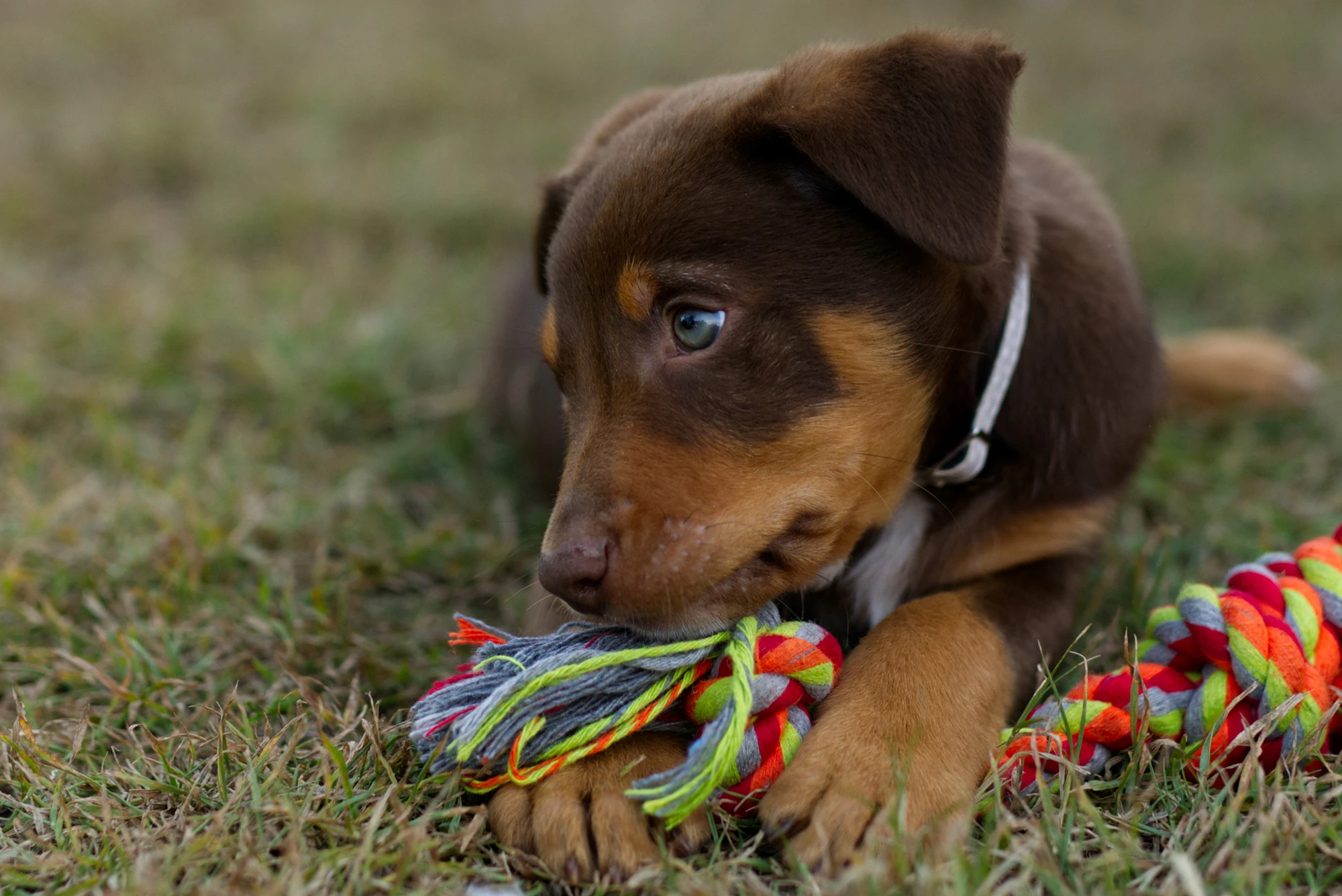
Bringing a new puppy home is one of life’s greatest joys! Those tiny paws, the sweet puppy breath, the endless cuddles—it’s pure magic. But nestled right in between the house training and the teething is a critical window of development that will shape your dog’s entire life: socialization. At Bark Avenue Daycamp, our experienced puppy trainers specialize in early canine development and structured socialization programs.
If you’ve heard the term, you know it’s important, but what exactly does it mean? Simply put, early socialization is one of the most important parts of raising a confident, happy, and well-adjusted dog. It’s the process of introducing your puppy to the world in a positive, controlled way so they learn that new sights, sounds, people, and experiences are nothing to fear.
It’s crucial to clarify that socialization is about positive exposure, not overwhelming experiences. We’re not talking about throwing your puppy into a chaotic dog park. We’re talking about thoughtful, safe introductions that build resilience and confidence. And this is where structured environments, like the puppy program at Bark Avenue Daycamp, become an invaluable partner in your journey. We provide a safe, supervised space to support this vital process, ensuring every experience is a good one.
What Socialization Really Means (and What It Doesn’t)
Let’s clear up a common misunderstanding right away. Proper socialization is not just about letting your puppy play with every dog they meet. In fact, that can often be counterproductive!
Our puppy trainers share that socialization is about calm, positive exposure to new things. It’s about teaching your puppy how to exist comfortably in the human world. A well-socialized dog can calmly walk past a noisy truck, ignore a person wearing a strange hat, and settle down quietly in a new environment.
The key is quality experiences over quantity. One positive, five-minute interaction with a gentle, adult dog is worth far more than an hour of chaotic, unsupervised play that leaves your puppy scared or overstimulated. At Bark Avenue, we focus on creating these high-quality, structured interactions every day.
Puppy Socialization Checklist: At Home
The first and most important steps in socialization happen right in your home and neighborhood. Before your puppy is fully vaccinated and ready for group play, you can start building their foundation.
People Exposure
Your puppy needs to learn that humans come in all shapes and sizes.
- Variety is Key: Introduce them to adults, children (supervised and gentle!), and people with different appearances—hats, glasses, beards, uniforms, and even people using canes or wheelchairs.
- Calm Greetings: Focus on neutral interactions. A quick, calm greeting is better than an intense, high-energy one. The goal is for your puppy to see these people as a normal, non-threatening part of the environment.
Sounds & Environments
The world is a noisy place! Our professional puppy trainers help your puppy get used to it without fear.
- Household Noises: Vacuum cleaners, blenders, doorbells, dropped pots, and washing machines.
- Different Surfaces: Walk them on carpet, tile, wood, concrete, grass, and even crinkly tarps.
- Movement: Expose them to traffic sounds (from a safe distance), skateboards, bicycles, and people running.
Handling & Body Awareness
A confident dog is comfortable being handled, which makes vet visits and grooming much easier.
- Gentle Touch: Practice gentle handling of paws, ears, mouth, and tail. Pair this with high-value treats so they associate being touched with something wonderful.
- Examination Practice: Get them used to having their teeth and ears looked at. This is a huge win for future vet visits!
Independence Skills
This is a frequently overlooked but vital part of socialization. The skilled dog trainers at Bark Avenue Daycamp mention that a puppy who can’t be alone is a puppy prone to separation anxiety.
- Short Periods Alone: Start with just a few minutes in their crate or a safe pen while you step out of sight. Build this duration slowly.
- Settling Calmly: Teach them to relax and self-soothe without constant attention. This is the foundation for a calm, adult dog.
Puppy Socialization Checklist: Before Starting Daycare
Once your vet gives the green light for group activities, there are a few key skills that will help your puppy thrive in a doggie daycare setting.
- Comfort Being Away from Their Owner: Your puppy should be able to handle a short separation without panic. Daycare is a blast, but it requires them to be okay with you leaving!
- Basic Cues: Foundations like sit, name recognition, and a start on recall are essential. These cues help our staff communicate with your puppy and manage the group safely.
- Ability to Rest and Self-Soothe: Daycare is stimulating! A puppy who can take a break and settle between activities will have a much better experience.
- Understanding Basic Boundaries: Waiting patiently at a door or for their food bowl teaches impulse control, a skill that translates directly to group manners.
Puppy Socialization Checklist: During Daycare
When your puppy joins the Bark Avenue family, they enter a carefully managed environment designed to continue their socialization journey. Here’s what they’ll experience with us:
Dog-to-Dog Interactions
This is where the magic of group play happens, but it’s always structured.
- Controlled Introductions: We don’t just open the gates. Our staff carefully introduces puppies to appropriate playmates—often gentle, older dogs who are excellent teachers of canine manners.
- Reading Canine Body Language: Your puppy learns to read subtle cues from other dogs, like a quick lip lick or a head turn, which are vital for polite interaction.
Human Interaction with Structure
Socialization isn’t just about dogs; it’s about people, too!
- Positive Experiences with Multiple Caregivers: Your puppy will learn to trust and take direction from people other than their immediate family. This builds confidence and flexibility.
- Learning to Take Direction: Our staff uses positive reinforcement to teach good manners in a group setting, reinforcing the basic cues you’ve taught at home.
Enrichment & Mental Stimulation
A tired mind is just as important as a tired body. Our enrichment activities are a core part of the socialization process.
- Puzzle Toys and Scent Games: We engage their brains with fun, short activities that teach them how to focus and problem-solve.
- Short Training Moments: We incorporate brief, positive training sessions throughout the day, teaching puppies how to engage their brains, not just their bodies. This is a key benefit of our specialized enrichment programs.
Rest & Regulation
We are sticklers for nap time!
- Learning When to Play and When to Settle: Doggie daycare includes mandatory nap times and calm breaks. This teaches puppies the crucial skill of self-regulation—the ability to switch off the excitement and rest. A puppy who can’t settle is a stressed puppy.
Signs Your Puppy Is Benefiting from Socialization
How do you know if all this hard work is paying off? Look for these positive changes:
- Increased Confidence: They approach new situations with curiosity rather than fear.
- Reduced Fear Responses: They recover quickly from startling noises or unexpected events.
- Improved Focus and Adaptability: They can easily transition between activities and environments.
- Calm Behavior: They are able to settle quickly after play and are generally relaxed in the home.
Common Socialization Mistakes to Avoid
Even with the best intentions, owners can sometimes make mistakes that hinder the process, which is why working with a professional dog or puppy trainer can make a difference.
- Waiting Too Long to Get Started: The critical socialization window closes around 16 weeks. While socialization is lifelong, the early weeks are the most impactful. Start immediately, even if it’s just with car rides and meeting a few vaccinated, friendly dogs.
- Forcing Interactions: Never force a scared puppy to approach a person or dog. This creates a negative association. Always allow them to retreat and observe from a safe distance.
- Skipping Rest in Favor of Constant Activity: Over-tired puppies are cranky, stressed, and more likely to have negative experiences. Remember the importance of those calm breaks!
How Daycare Supports Healthy Social Development
Bark Avenue Daycamp is more than just a place for your dog to run around; it’s a structured learning environment. We understand that the pressure of getting socialization right can be immense, and we are here to help.=
Our structured daycare environments guide socialization safely by providing:
- Expert Staff Supervision: Our trained team understands canine body language and intervenes before a situation escalates, ensuring every interaction is positive.
- Controlled Group Sizes: We match play groups based on size, age, and play style, preventing small puppies from being overwhelmed.
- Enrichment-Based Play: Our focus on mental stimulation and short training sessions ensures your puppy is building skills, not just burning energy.
We reinforce that daycare complements—it does not replace—home training. It’s the perfect partner to the foundation you build at home, providing the safe, diverse, and structured experiences your puppy needs to become a well-mannered, confident adult dog.
Conclusion / Next Steps
Socialization is an ongoing process, not a one-time phase that ends at 16 weeks. It’s a commitment to consistency, patience, and positive experiences that lasts a lifetime.
By following this checklist and ensuring consistency between your home routines and the structured experiences they receive at Bark Avenue, you are setting your puppy up for a lifetime of success.
Ready to give your puppy the best start possible? We invite you to reach out to learn how Bark Avenue supports puppy development through our specialized daycare, training, and enrichment services. Bark Avenue Daycamp proudly provides puppy daycare and socialization programs for families in Elgin, Bartlett, St. Charles, Hoffman Estates, and Schaumburg, IL. Contact us today to schedule your dog’s next visit and let us be your partner in raising a confident, happy, and well-socialized dog!